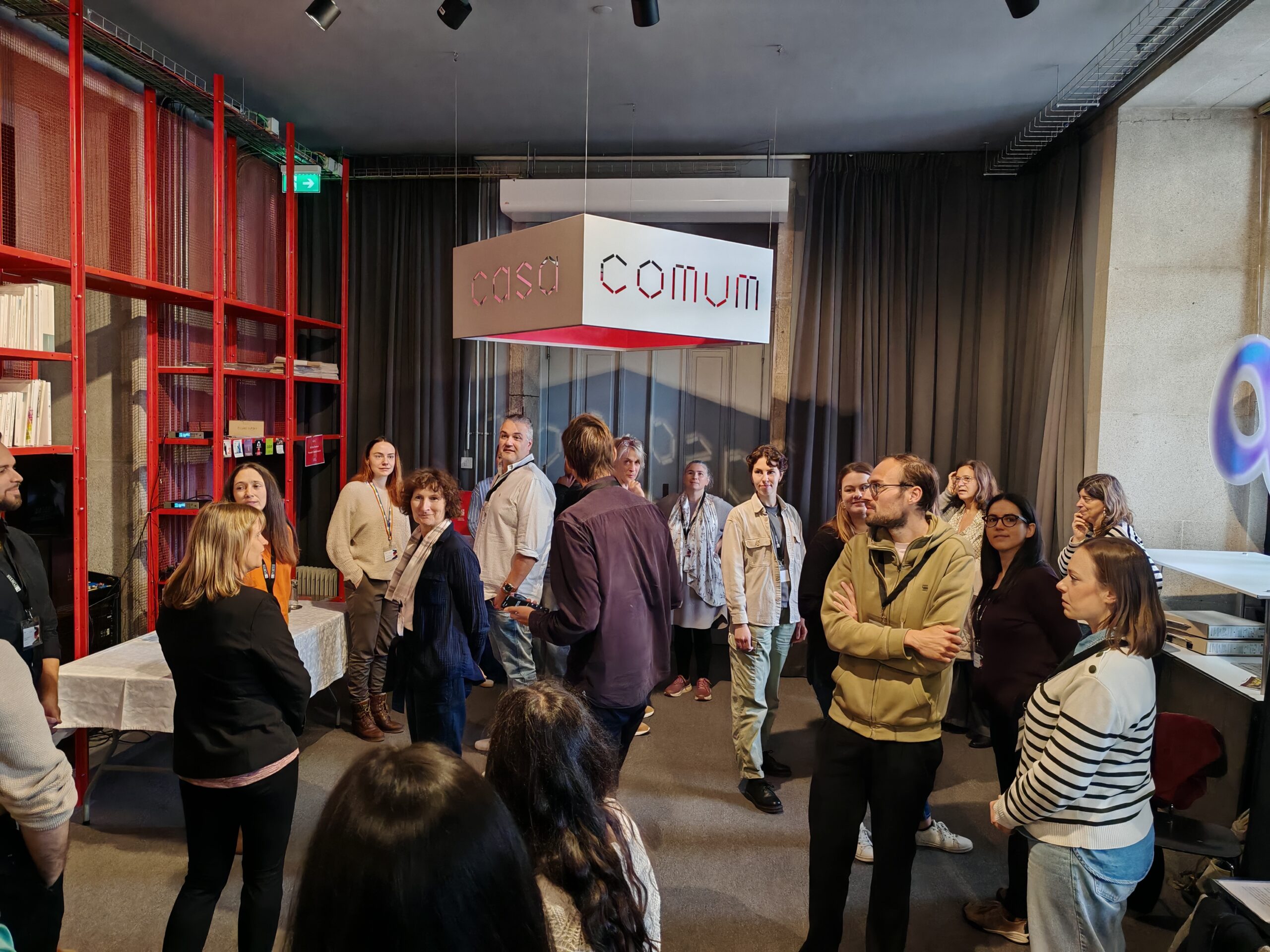
In May 2026, the University of Porto hosted an intensive Train-the-Trainer event that brought together higher education professionals committed to enhancing intercultural learning and preparing students for more successful international mobility experiences.
The training provided participants with an engaging blend of theory, reflection, practical exercises, and peer learning, exploring key themes that are central to fostering intercultural awareness, inclusion, and meaningful mobility experiences for students across Europe.
Empowering future trainers
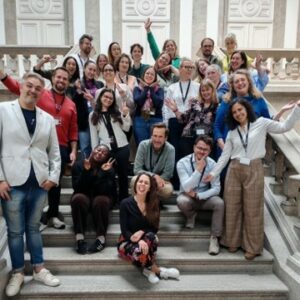 Throughout the 3-day training, participants benefited from the expertise of Philip Bracker (University of Porto), Karen Wouters, Thibault Hoogstoel (Ghent University), and Lisa Kattinger (Marburg University), who guided them through a diverse programme that combined theoretical foundations, practical facilitation skills, and institutional approaches.
The final objective? To prepare participants to implement the PADMICA ready-made modules for Intercultural Preparation (pre-mobility) and Reflection (post-mobility) within their own institutions.
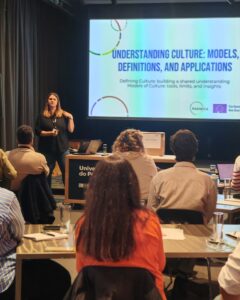
Sessions covered a broad range of themes, including defining culture and exploring cultural models, communication dynamics and intercultural communication styles, stereotypes, prejudices and discrimination, and the complex dimensions of poverty and inequality – examining how identity, privilege, and social context shape the experiences students bring to and return with from their time abroad.
 By placing participants in the shoes of students, facilitators gave them first-hand experience of the teaching methods at the heart of the PADMICA modules: statement activities, case studies, and the Story Circle method, where personal narratives are used to practice active listening and foster respect, openness, and curiosity.
Didactic and pedagogical training was also woven throughout the programme, equipping participants with a growing toolkit of facilitation techniques and energizers. The event culminated in each participant taking the lead in delivering a focused presentation, putting everything they had learned into practice.
Rewarding learning experience
A central feature of the training was its highly interactive approach. Participants engaged in experiential learning activities, real-life case studies, facilitated discussions, and reflective exercises designed to accommodate different learning styles and encourage meaningful exchange. They highlighted how the exercises helped maintain focus, and fostered a mindful, non-judgmental atmosphere.
Beyond the individual learning experience, the Train-the-Trainer course represented an important milestone for PADMICA. We look forward to seeing how the knowledge, skills, and enthusiasm generated during the week will be translated into future training activities and student support initiatives across Europe.
Photos: University of Porto